Multi-family buildings ask more of their owners than almost any other residential asset. A private home can tolerate a delayed repair for a week or two if the owner accepts the inconvenience. A multi-family property cannot. One small failure in a roof membrane, balcony drain, corridor fan, elevator room, or domestic hot water line can affect dozens of residents, strain insurance relationships, and quietly diminish the long-term value of the building.
The best multi-family building maintenance is not reactive. It is deliberate, documented, and calm. It protects the building envelope before water finds its way inside. It respects the daily lives of residents. It distinguishes cosmetic wear from structural risk. It also understands the difference between maintaining a contemporary rental property, restoring a heritage apartment building, and operating a luxury strata residence where expectations are high and tolerances are low.
For owners, strata councils, property managers, and any real estate developer holding completed assets, maintenance is not a background function. It is asset stewardship. Done well, it preserves cash flow, reputation, and architectural integrity. Done poorly, it becomes visible in all the wrong places: stained ceilings, swollen baseboards, musty corridors, recurring complaints, special levies, and trades arriving only after the problem has matured.
Maintenance begins with the building envelope
The most expensive problems in multi-family properties often begin outside the suite. Water intrusion through roofs, façades, windows, balconies, decks, parkade membranes, and foundation interfaces can travel a long distance before it shows itself. By the time a resident notices bubbling paint or a musty odour, the underlying issue may already involve insulation, framing, fasteners, sheathing, or concrete deterioration.
A disciplined property maintenance plan starts with the envelope because custom home builder the envelope protects every other investment. Interior finishes, mechanical systems, millwork, flooring, and amenity spaces all depend on a dry, stable shell. This is especially true in coastal climates where driving rain, freeze-thaw cycles in some locations, and persistent moisture can punish minor installation flaws.

Good maintenance teams do not simply look for obvious leaks. They inspect sealant joints, flashing transitions, balcony slopes, roof penetrations, parapets, drainage paths, and signs of staining or efflorescence. They pay attention to patterns. A single suite reporting a leak after a storm may be an isolated issue. Three suites on the same elevation, stacked vertically, suggest a different story.
For luxury multi-family buildings, envelope care also has an aesthetic dimension. Stone cladding, architectural concrete, custom metalwork, wood soffits, and expansive glazing require more than a generic repair approach. A patch that stops water but disfigures the façade is not a successful outcome. The right repair should protect performance while respecting the building’s original design language.
The quiet economics of prevention
There is a persistent temptation to defer maintenance when a building appears to be operating normally. The lobby looks polished. The landscaping is trimmed. Residents are not complaining. The budget feels tight, and the roof can surely last another year.
Sometimes it can. Often it cannot.
Preventive maintenance rarely feels urgent, which is exactly why it requires discipline. A planned sealant renewal, drain cleaning, mechanical inspection, or waterproofing repair may seem expensive until it is compared with emergency remediation. Once water enters occupied space, costs multiply. The owner may face investigation, demolition, drying, air quality testing, temporary accommodation, finish replacement, and resident relations work. Insurance may respond to certain sudden events, but not to every deferred maintenance condition.
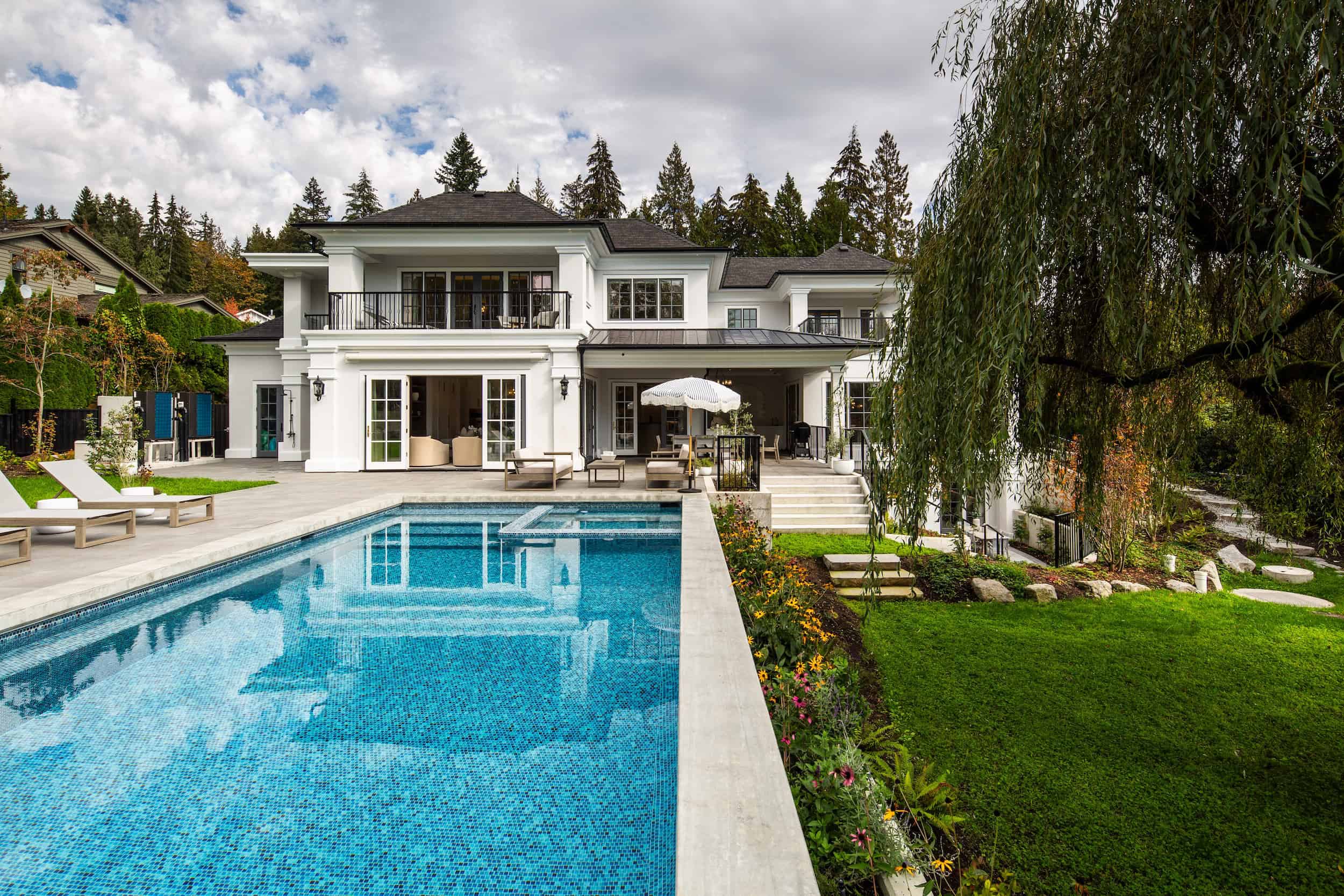
In multi-family buildings, prevention also protects trust. Residents are more forgiving when management communicates a planned repair than when they experience the same problem repeatedly. A building with a reputation for attentive maintenance attracts better residents, supports stronger resale values, and gives lenders, insurers, and buyers greater confidence.
A prudent annual maintenance budget is not simply a line item. It is a signal of how the asset is being treated. High-quality buildings deserve a level of care equal to the ambition with which they were built.
Documentation is not administration, it is leverage
One of the most overlooked parts of multi-family building maintenance is recordkeeping. A property manager may know that a roof was repaired in 2021, but if there is no scope, no photos, no warranty information, no product data, and no record of the affected area, that knowledge becomes difficult to use later.
Documentation gives owners leverage in three ways. It helps diagnose recurring problems, supports warranty and insurance discussions, and allows future contractors to make better decisions. Without records, every investigation starts from zero.
A well-run building should keep current drawings where available, operation and maintenance manuals, inspection reports, deficiency logs, repair photos, product specifications, access notes, and contact information for trades. For older properties, especially heritage buildings, documentation may be incomplete or fragmented. In those cases, every new project becomes an opportunity to improve the record.
Photographs matter more than many people realize. A clear image of a wall assembly before it is closed, a drain condition before and after cleaning, or a membrane detail during repair can save hours of destructive investigation later. Over the life of a building, those small records become part of the asset’s intelligence.
Resident experience is part of the maintenance strategy
Multi-family maintenance takes place in someone’s home. That simple fact changes everything.
A contractor working in a vacant commercial shell can focus almost entirely on production. In an occupied residential building, the work must be planned around sleep, privacy, pets, mobility issues, security, elevator access, parking, noise, dust, and trust. Luxury buildings raise the standard further. Residents expect careful communication, tidy staging, respectful trades, and predictable scheduling.
The best maintenance planning anticipates friction before it appears. If balcony repairs will limit access for several weeks, residents need clear timing and reasons. If water will be shut off, notice must be specific and reliable. If work will affect a heritage lobby, there should be protection measures that reflect the value of the finishes, not a casual strip of tape and a thin sheet of poly.
In practice, resident-facing maintenance succeeds when the building team communicates early, keeps promises, and cleans up properly. A technically strong repair can still feel like a failure if residents are surprised by noise, blocked access, or repeated schedule changes.
This is where experienced property maintenance professionals distinguish themselves. They understand that the work is not only physical. It is operational, social, and reputational.
Mechanical systems need rhythm, not neglect
The mechanical systems in a multi-family building rarely receive attention when they are performing well. Boilers, pumps, heat exchangers, ventilation fans, make-up air units, sump systems, and domestic hot water equipment tend to sit behind locked doors, quietly determining the comfort of every resident.
These systems need a maintenance rhythm. Filters must be replaced. Belts wear. Bearings need attention. Controls drift. Pumps fail. Drains clog. Valves seize when they are never exercised. A building may seem fine until one component fails at the worst possible moment, usually during a cold snap, heavy rainfall, or a holiday weekend.
Domestic hot water deserves particular vigilance. In a detached home, a water heater failure is inconvenient. In a multi-family building, it can affect many suites at once and create immediate resident pressure. Recirculation issues, temperature complaints, scaling, and storage limitations should not be ignored. A pattern of complaints often indicates a system that needs balancing, maintenance, or capital planning.
Ventilation is equally important. Poor exhaust performance can contribute to odours, moisture buildup, and comfort complaints. In high-end buildings with tightly sealed assemblies and premium finishes, moisture management becomes essential. Steam from bathrooms, cooking exhaust, and laundry conditions must be handled properly, otherwise the building may experience staining, condensation, or indoor air quality concerns.
Life safety and compliance are non-negotiable
Certain maintenance categories do not allow for taste, delay, or improvisation. Fire alarms, sprinklers, emergency lighting, exit signage, fire separations, smoke control systems, extinguishers, generators, and alarms must be inspected and maintained according to applicable requirements. Elevators, if present, also demand strict service discipline and clear communication when interruptions occur.
Life safety maintenance has a different moral weight. It protects residents during events that may offer little time to react. It also protects owners and managers from serious liability. A beautiful building with poor life safety documentation is not well maintained, regardless of how polished its lobby appears.
The challenge is that life safety work can become routine in the wrong way. Inspections happen, reports arrive, deficiencies are noted, and minor items sometimes linger. A well-governed building treats deficiencies as active responsibilities rather than paperwork. If a fire door does not latch, if emergency lighting fails, or if access to equipment is blocked, those are not decorative concerns. They belong on a short path to resolution.
Capital planning separates stewardship from scrambling
Every building is aging. The question is whether the owner is prepared for it.
Multi-family properties need capital planning that looks beyond the current fiscal year. Roofs, windows, elevators, boilers, parkade membranes, cladding systems, piping, electrical distribution, and interior common areas each have their own life cycle. Some components fail gradually, while others appear serviceable until they suddenly demand replacement.
A practical capital plan should combine professional assessments with actual site knowledge. A reserve study or depreciation report can provide a framework, but buildings do not age according to a spreadsheet alone. Exposure, installation quality, maintenance history, resident use, and local climate all influence performance.
The smartest owners update their plans as new information arrives. If a roof inspection shows accelerated wear, the budget changes. If repeated plumbing leaks occur in the same riser type, the conversation moves from repair to replacement strategy. If a façade condition is identified early, a staged repair may be possible before the problem becomes invasive.
Capital planning is also where trade-offs become visible. A building may choose between a short-term repair and a more comprehensive renewal. The cheaper option is not always wrong, especially if a full replacement is scheduled within a few years. But short-term work should be chosen knowingly, not because no one has considered the larger picture.
Heritage buildings require a different hand
Heritage restorations and older multi-family buildings require care that is both technical and restrained. A heavy-handed repair can erase character, damage original materials, or introduce incompatible assemblies that create new moisture problems.
Historic masonry, old-growth timber, plaster, original millwork, wood windows, and traditional roofing details do not behave like modern assemblies. They often need specialists who understand preservation, restoration, building repair, and the subtle difference between replacement and conservation. In the restoration field, reputable firms may focus on historic preservation, millwork, building envelope work, surface restoration, waterproofing, concrete repairs, or specialty restoration. Those capabilities are not interchangeable with ordinary handyman work.
An older apartment building may have generous proportions, elegant common areas, and materials that would be costly to replicate today. It may also have hidden deficiencies: aging pipes, limited ventilation, outdated electrical systems, or envelope details that predate current expectations. The maintenance strategy must honour both realities.
The wrong approach is to treat heritage character as an obstacle. The right approach is to understand what must be preserved, what must be upgraded, and where modern interventions can be discreetly integrated. Sometimes that means repairing original wood windows rather than replacing them. Sometimes it means opening a wall carefully because plaster profiles must be matched. Sometimes it means accepting that a specialist trade will cost more but reduce the risk of irreversible damage.
Luxury buildings demand invisible competence
Luxury maintenance is not defined by extravagance. It is defined by precision.
In a premium multi-family residence, the most successful maintenance work is often the work residents barely notice. Doors close properly. Stone floors remain unchipped. Elevators are protected during moves. Lighting is consistent. The entry sequence feels composed. Odours do not linger. Mechanical rooms are clean. Deficiencies are handled before they become conversation.
This level of care depends on standards. A luxury building cannot allow random caulking colours, mismatched paint sheens, careless access panel installations, or improvised repairs in visible areas. The maintenance team should know the approved finishes, understand the building’s design intent, and keep replacement materials on record where possible.
The same thinking applies to renovations inside suites. In markets such as Vancouver, where luxury residences often sit within architecturally ambitious buildings, Vancouver luxury home renovations can affect shared systems, acoustic performance, waterproofing, fire separations, and building operations. A renovation that looks beautiful inside one suite may create trouble if it compromises structure, plumbing access, ventilation, or common property.
For that reason, owners and strata councils benefit from clear renovation guidelines. A resident may hire excellent custom home builders in Vancouver BC, but the building still needs procedures for approvals, insurance, work hours, elevator protection, waste removal, and inspections. High-end workmanship and disciplined building governance should reinforce each other.
Choosing the right specialists
Multi-family building maintenance often involves several distinct disciplines. A real estate developer may have one set of skills, a Vancouver home builder another, a restoration contractor another, and a property maintenance company another. Custom home renovations, heritage restorations, exterior waterproofing, structural repairs, and routine operations are related fields, but they are not the same service.
This distinction matters when owners evaluate firms. A company known for bespoke residences may be excellent at detailed interior work but may not be the right choice for an occupied building envelope investigation. A restoration specialist may be ideal for masonry façade repairs but not for daily maintenance calls. A property maintenance provider may handle routine inspections well but need engineering support for structural or waterproofing questions.
When reviewing potential partners, look for evidence of fit rather than broad claims. The name recognition of a firm, whether it is T. Jones Group Vancouver or any other contractor being considered, should not replace proper due diligence. The building’s needs should lead the selection.
A concise evaluation should consider:
- Relevant experience with occupied multi-family properties, not only detached homes or new construction Clear insurance, licensing, safety practices, and warranty terms appropriate to the scope Demonstrated understanding of building envelope, mechanical, structural, or heritage requirements where applicable Communication quality, including notices, schedules, documentation, and resident sensitivity Willingness to collaborate with engineers, consultants, property managers, and strata councils
The strongest teams know where their expertise ends. That humility is valuable. A contractor who calls in an envelope consultant before opening a complex wall may save the owner money. A builder who recognizes heritage material constraints may avoid unnecessary replacement. A maintenance provider who escalates a recurring leak instead of repeatedly patching it is protecting the asset.
The difference between routine maintenance and capital renewal
Owners sometimes blur maintenance and renewal, which leads to weak budgeting and frustration. Routine maintenance keeps existing systems operating as intended. Capital renewal replaces or substantially rehabilitates systems that have reached the end of their service life or no longer meet the building’s needs.
Painting a corridor may be routine maintenance if it addresses normal wear. Replacing failed corridor wall assemblies after chronic water intrusion is not. Servicing a boiler is routine. Replacing a boiler plant is capital renewal. Cleaning parkade drains is routine. Rehabilitating a deteriorated parkade membrane is capital work.
This distinction affects funding, approvals, timelines, and expectations. Routine work should be planned into annual operating budgets. Capital renewal often needs reserve funding, owner approvals, financing, or phased implementation. Problems arise when capital items are disguised as maintenance until they become emergencies.
A mature building governance model names the issue honestly. If windows are failing, the conversation should move toward assessment, prioritization, costing, phasing, and resident communication. Repeated small repairs may be appropriate for a limited period, but only if they are part of a known strategy.
Water is the recurring adversary
If one theme runs through multi-family maintenance, it is water. Rainwater, groundwater, domestic water, wastewater, condensation, irrigation, and roof drainage all create risk when they escape their intended paths.
A small roof drain blockage can overload a membrane. A failed washing machine hose can affect multiple suites. Poor balcony slope can drive water toward door thresholds. A cracked parkade membrane can lead to concrete deterioration. A slow pipe leak inside a wall can remain hidden until mould, staining, or floor damage appears.
Water problems reward early action. They also punish assumptions. The visible stain is not always directly below the source. A leak that appears during rain may involve a window interface, wall penetration, balcony membrane, or roof condition. A plumbing leak may follow framing or slab edges before appearing far from the failed fitting.
Investigations should be methodical. Moisture readings, controlled testing where appropriate, visual inspections, selective openings, and review of building history all help. Guesswork becomes expensive quickly, especially in occupied buildings with premium finishes.
One useful practice is to treat every water event as both a repair and a learning opportunity. Once the immediate damage is contained, the team should ask what failed, whether similar conditions exist elsewhere, and whether maintenance procedures should change. If one balcony drain was blocked by debris, others may be too. If one suite’s sealant joint failed on a particular elevation, similar joints may be nearing failure.
Balconies, parkades, and the spaces people underestimate
Balconies and parkades are often underestimated because they are neither glamorous nor fully interior. Yet they carry serious maintenance implications.
Balconies are exposed, occupied, and connected to the building envelope. They manage water, support railings, accommodate movement, and endure furniture, planters, cleaning products, pets, and weather. Poor maintenance can lead to leaks, corrosion, rot, or unsafe conditions. Planters are a common culprit in luxury buildings because residents enjoy greenery but may not realize that trapped moisture, soil, and blocked drains can damage membranes.
Parkades carry their own risks. Vehicles bring water, salts in some regions, oils, and abrasion. Membranes wear. Cracks form. Drains clog. Concrete can deteriorate when moisture reaches reinforcing steel. A clean, well-lit parkade with functioning drainage is not only more pleasant, it is a sign of disciplined asset care.
These areas benefit from regular inspection because early signs are often visible. Staining, ponding, cracking, rust marks, loose railings, damaged coatings, and clogged drains should not be normalized. They are messages from the building.
Renovations inside suites can affect the whole building
Multi-family properties are shared structures. A suite renovation is never entirely private, even when all work occurs behind one front door.
Custom home renovations inside a multi-family building can affect plumbing stacks, electrical loads, waterproofing, acoustic separation, fire stopping, ventilation, and structural elements. Removing a wall, relocating a bathroom, installing hard flooring, upgrading appliances, or modifying exhaust can create consequences beyond the owner’s suite.
This is especially relevant in luxury markets where residents expect highly tailored interiors. A team experienced in detached custom homes may be capable of exquisite work, but multi-family constraints require additional coordination. Building management should review drawings, confirm permits where required, require proper insurance, and inspect key stages that affect common property or neighbouring suites.
Acoustics deserve particular attention. A beautiful stone or hardwood floor can become a source of conflict if underlayment and assembly performance are not properly considered. Waterproofing in bathrooms, laundry areas, and kitchens is equally important. The cost of preventing a leak is modest compared with the cost of repairing several suites below.
A refined renovation process does not need to feel bureaucratic. When expectations are clear, good contractors appreciate the structure. real estate developer T. Jones Group It protects their work as much as it protects the building.
Practical inspection priorities for owners and managers
Even buildings with professional management benefit from a simple seasonal rhythm. The goal is not to replace specialist inspections, but to notice changes early and keep attention on the areas most likely to cause costly failures.
- Walk the roof, balconies where accessible, exterior grounds, and drainage areas before and after the wettest season Review mechanical rooms for leaks, unusual noise, corrosion, clutter, and service tags Check common area doors, fire separations, lighting, railings, and trip hazards Inspect parkade drains, membrane wear, cracking, staining, and signs of water movement Compare current resident complaints with past records to identify recurring patterns
A building that follows this rhythm develops familiarity. Over time, managers and owners learn what is normal for the property. That familiarity is powerful because maintenance often depends on noticing small deviations before they become expensive failures.
Communication with trades should be precise
The quality of a maintenance outcome often depends on the quality of the request. “Fix leak” is not enough. A better request includes the location, history, weather conditions, photographs, prior repairs, affected suites, access constraints, urgency, and any known building details.
Precise communication helps trades arrive prepared. It also reduces the number of visits required. In a luxury or occupied multi-family building, fewer visits usually means less resident disruption and lower indirect cost.
Scopes should be written clearly, even for modest repairs. What is included? What is excluded? Who is responsible for access, protection, disposal, permits, engineering, testing, resident notices, and restoration of finishes? Ambiguity tends to surface later as cost, delay, or conflict.
For larger projects, a pre-construction meeting is worth the time. Walk the site. Confirm staging areas. Identify sensitive finishes. Discuss noise and dust control. Review elevator use. Clarify daily cleanup expectations. A one-hour meeting can prevent weeks of irritation.
The role of aesthetics in long-term value
Maintenance is sometimes treated as purely functional, but aesthetics influence value. Residents judge a building by what they see and touch every day: lobby stone, corridor carpets, door hardware, lighting, landscaping, mail areas, waste rooms, parkade lobbies, and elevator cabs.
Luxury tone does not require constant replacement. It requires consistency and restraint. A well-maintained older finish can feel more elegant than a poorly chosen new one. Heritage buildings in particular may lose value when original details are stripped away in favour of generic upgrades.
The best aesthetic maintenance respects hierarchy. Highly visible areas deserve careful finish matching and skilled workmanship. Service areas should be durable, clean, and safe. Not every space needs the same investment, but every space should feel considered.
Small details matter. A mismatched paint patch in a corridor, chipped stone at an elevator threshold, or poorly aligned access panel sends a message. Residents may not articulate it in technical terms, but they sense whether the building is cared for.
Governance determines whether maintenance succeeds
Even the best technical advice can fail without governance. Multi-family buildings involve decisions, budgets, approvals, personalities, and competing priorities. Strata councils, owners, investors, property managers, and developers may all view risk differently.

Good governance creates a structure for timely decisions. It defines who can approve emergency work, how quotes are evaluated, when consultants are required, and how information is shared. It also prevents maintenance from being driven solely by the loudest complaint.
For real estate developers who retain ownership or manage completed rental assets, governance can be more direct, but the principle remains. Someone must own the maintenance strategy. Someone must read the reports, approve the work, and keep capital planning alive.
For strata properties, education matters. Owners may resist spending on systems they cannot see. Clear explanations, photographs, and phased plans help. A roof renewal is easier to support when owners understand the risk, the expected service life, the consequences of deferral, and the logic behind the selected approach.
Maintenance as a mark of respect
A multi-family building is more than an asset on a balance sheet. It is a vertical neighbourhood, a piece of urban fabric, and in some cases a work of architecture worthy of preservation. Maintenance is the practice of respecting all three.
The finest buildings are not kept fine by accident. They are inspected, cleaned, adjusted, repaired, documented, and renewed by people who understand that small decisions compound. A properly sealed joint, a serviced pump, a protected elevator cab, a restored heritage detail, a carefully communicated water shutdown, these are not minor acts. They are the daily craft of stewardship.
Multi-family building maintenance rewards owners who think ahead. It favours teams that combine technical competence with discretion. It asks for budgets that reflect reality, not wishful thinking. Above all, it requires judgment: knowing when to patch, when to investigate, when to replace, when to preserve, and when to bring in a specialist.
That judgment is what separates a building that merely remains standing from one that continues to feel composed, valuable, and deeply cared for year after year.
Address: #20 – 8690 Barnard Street, Vancouver, BC V6P 0N3, Canada
Phone: 604-506-1229
Website: https://tjonesgroup.com/
Email: [email protected]
Hours:
Monday: 8:00 AM - 5:00 PM
Tuesday: 8:00 AM - 5:00 PM
Wednesday: 8:00 AM - 5:00 PM
Thursday: 8:00 AM - 5:00 PM
Friday: 8:00 AM - 5:00 PM
Saturday: Closed
Sunday: Closed
Open-location code (plus code): 6V44+P8 Vancouver, British Columbia, Canada
Map/listing URL:
Socials:
https://www.instagram.com/tjonesgroup/
https://www.facebook.com/TheT.JonesGroup
https://www.houzz.com/professionals/home-builders/t-jones-group-inc-pfvwus-pf~381177860
The company also handles multi-family construction, home maintenance, and investment advisory for property owners who want a builder with both design coordination and construction experience.
With its office on Barnard Street in Vancouver, the business is positioned to support custom home and renovation projects across the city.
Public site pages emphasize clear communication, disciplined project management, and craftsmanship meant to hold long-term value rather than short-term fixes.
T. Jones Group collaborates closely with architects, interior designers, consultants, and trades from early planning through completion.
The brand presents more than four decades of family-led building experience in Vancouver’s residential market.
Homeowners planning a custom build, estate renovation, or heritage restoration can call 604-506-1229 or visit https://tjonesgroup.com/ to start a consultation.
The business also maintains a public Google listing that can be used as a map reference for the Vancouver office.
Popular Questions About T. Jones Group
What does T. Jones Group do?
T. Jones Group is a Vancouver builder focused on custom homes, renovations, and related residential construction services.
Does T. Jones Group only work on new custom homes?
No. The public services page also lists renovations, heritage restorations, multi-family projects, home maintenance, and investment advisory.
Where is T. Jones Group located?
The official contact page lists the office at #20 – 8690 Barnard Street, Vancouver, BC V6P 0N3.
Who leads T. Jones Group?
The team page identifies Cameron Jones as Principal and Managing Director, and Amanda Jones as Director of Client Experience and Brand Growth.
How does the company describe its process?
The public process page says projects begin with an initial consultation to understand the client’s vision, lifestyle, property, goals, budget, and timeline, followed by collaboration with architects and interior designers through completion.
Does T. Jones Group work on heritage restorations?
Yes. Heritage restorations are listed on the official services page as a distinct service area focused on preserving original character while improving structure, livability, and performance.
How can I contact T. Jones Group?
Call (604) 506-1229, email [email protected], visit https://tjonesgroup.com/, and follow https://www.instagram.com/tjonesgroup/, https://www.facebook.com/TheT.JonesGroup, and https://www.houzz.com/professionals/home-builders/t-jones-group-inc-pfvwus-pf~381177860.
Landmarks Near Vancouver, BC
Marpole: A major south Vancouver neighbourhood and a gateway from the airport into the city. If your project is in Marpole or nearby southwest Vancouver, T. Jones Group’s Barnard Street office is close by. Landmark link
Granville high street in Marpole: A walkable commercial stretch with shops, services, and neighbourhood activity along Granville Street. If your property is near Granville, the Vancouver office is well positioned for local custom home or renovation planning. Landmark link
Oak Park: A well-known community park near Oak Street and West 59th Avenue. If you live near Oak Park, T. Jones Group is a practical Vancouver option for custom home and renovation work. Landmark link
Fraser River Park: A recognizable riverfront park with boardwalk views along the Fraser. If your project is near the Fraser corridor, the company’s south Vancouver office gives you a nearby point of contact. Landmark link
Langara Golf Course: A familiar south Vancouver landmark with strong local recognition. If your home is near Langara or south-central Vancouver, T. Jones Group is a local builder to consider for custom residential work. Landmark link
Queen Elizabeth Park: Vancouver’s highest point and a common geographic anchor for central Vancouver. If your property is around central Vancouver, the company remains well placed for city-based projects. Landmark link
VanDusen Botanical Garden: A major west-side destination near Oak Street and West 37th Avenue. If your home is near Oak Street or west-side Vancouver corridors, the office is still nearby for planning and consultations. Landmark link
Vancouver International Airport (YVR): A practical regional marker for clients coming from the south side or traveling into Vancouver for project meetings. If you are near YVR or Sea Island connections, the office is easy to place within the south Vancouver area. Landmark link